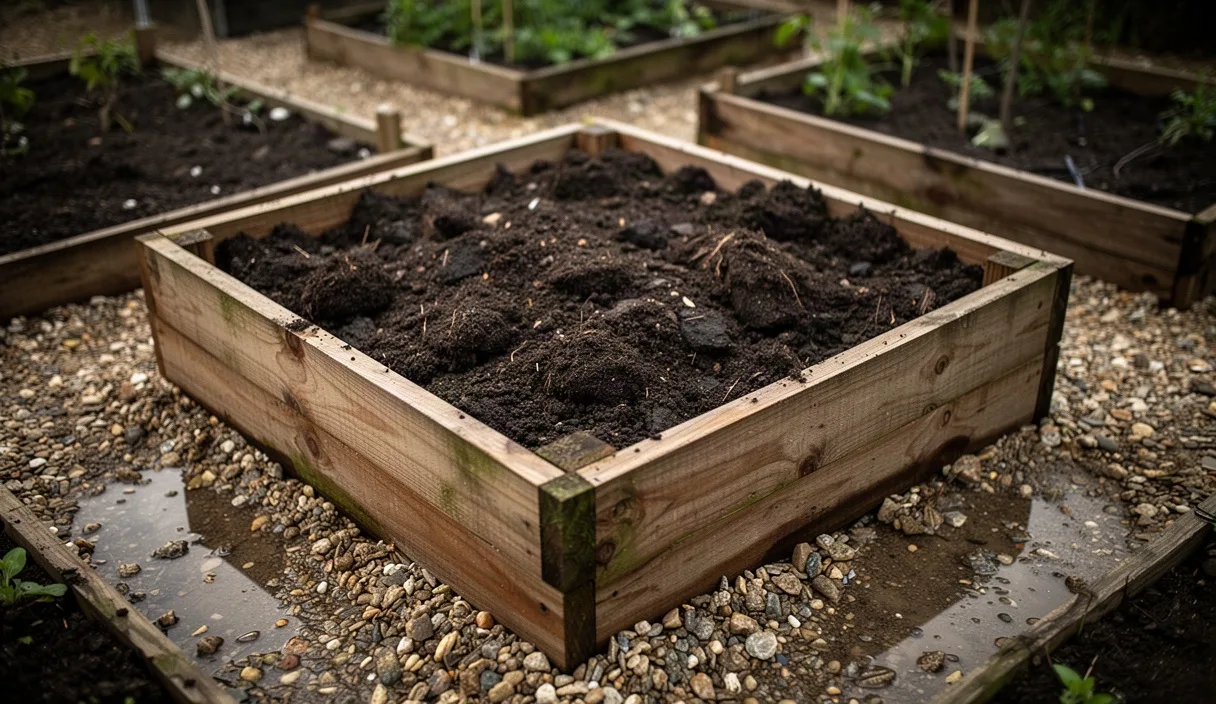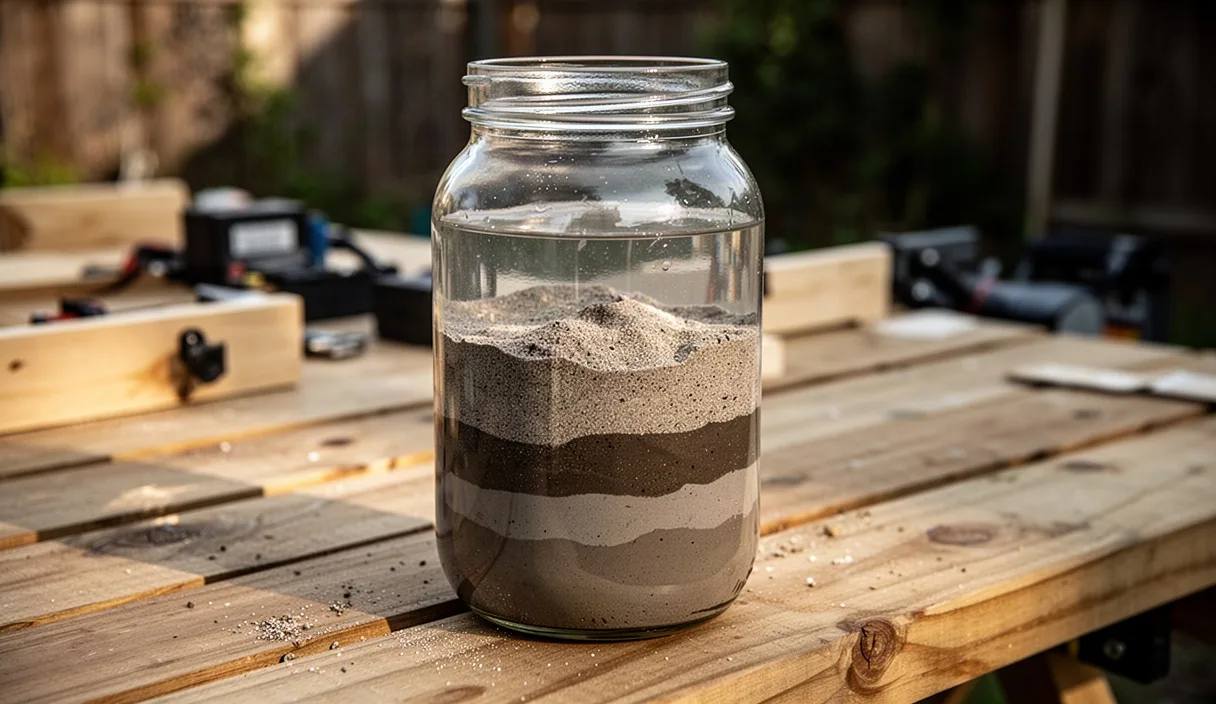
You can organize your vegetables into four distinct beds to break pest cycles and balance soil nutrients naturally. This clear framework shows you where legumes, brassicas, roots, and nightshades belong year by year.

- Keep potatoes and tomatoes separate from brassicas to prevent shared soilborne fungal issues.
- Follow nitrogen-fixing peas and beans with heavy feeders like cabbages and kale.
- Keep root vegetables away from freshly manured beds to prevent fork-shaped roots.
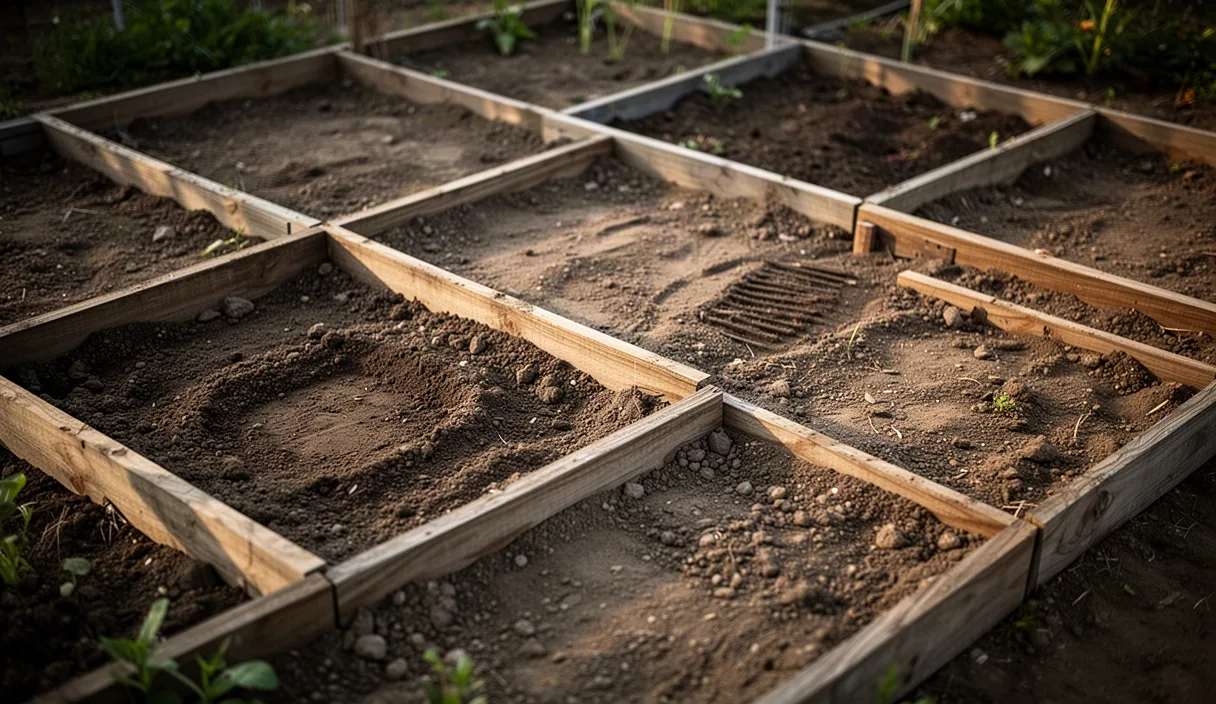
When you take on an allotment or carve out four neat timber beds in a back garden, the soil looks like a blank sheet of paper. It is tempting to plant whatever packet is in your pocket into whichever corner catches the morning sun. Within two or three seasons, however, random planting catches up with you. Soil pests multiply in their favourite corners, fungal spores settle into the dirt, and the heavy feeders leave whole plots exhausted while the light feeders leave nutrients behind.
A four-bed rotation plan is the classic allotment compromise between botanical purity and real-world sanity. It splits your annual vegetables into four distinct groups that shift by one bed every spring. The system demands very little paperwork once it is established, but it protects your harvest from chronic soil-borne troubles and ensures that every wheelbarrow of compost goes where it does the most good.
The core biological reasons for seasonal crop rotation
Crop rotation works primarily because vegetable families tend to share the same vulnerabilities and appetites. When you plant members of the nightshade family, such as potatoes or tomatoes, in the exact same soil year after year, microscopic pests like potato cyst nematodes accumulate in higher populations. Fungal pathogens that cause early blight or clubroot in brassicas also persist in the soil as resting spores, waiting patiently for their preferred hosts to return.
By moving each plant family to fresh soil, you interrupt these biological cycles. A three-year gap between related plantings starves out host-specific pests and drastically reduces fungal spore loads. While mobile pests like aphids will fly wherever they please, soil-dwelling pathogens and root-damaging nematodes decline noticeably when their food source disappears for three consecutive growing seasons.
The second biological factor is structural and chemical soil use. Different crops pull nutrients from different depths and release different compounds back into the dirt. Deep-rooting parsnips and carrots draw minerals from subsoil levels that shallow-rooting leeks never reach. Meanwhile, the dense, fibrous root systems of sweetcorn improve soil friability, while brassicas leave heavy taproots that decompose slowly and open channels for air and water.
Nutrient demand also varies systematically across families. Legumes partner with Rhizobium bacteria to convert atmospheric nitrogen into plant-usable nodules along their roots. Heavy feeders like brassicas and winter squash require substantial amounts of nitrogen to develop large leaf structures and dense crowns. A structured rotation ensures that nitrogen-fixing crops clear the ground right before heavy nitrogen consumers take up residence.
Mapping the four plant families across your beds
To run a four-bed system, you must group crops by botanical family rather than how they look on a dinner plate. Carrots and potatoes might both end up roasted together in an oven, but botanically they have almost nothing in common and need entirely different soil conditions. Grouping related plants prevents you from accidentally following one vulnerable crop with another.
The standard four-group layout balances soil demands over a four-year cycle:
- Bed 1: Solanaceae (Potatoes and Nightshades). First early, second early, and maincrop potatoes. Tomatoes, aubergines, and peppers belong here too if grown outdoors, though they often share space in a greenhouse.
- Bed 2: Legumes and Alliums. Broad beans, runner beans, French beans, and peas, grown alongside garlic, onions, shallots, and leeks. Legumes fix nitrogen; alliums make light demands on it.
- Bed 3: Brassicas. Cabbages, Brussels sprouts, broccoli, cauliflower, kale, radishes, swedes, and turnips. These are heavy feeders that require firm soil and alkaline conditions.
- Bed 4: Roots and Umbellifers. Carrots, parsnips, beetroot, celeriac, and celery. Sweetcorn, courgettes, and winter squash are often tucked into this bed or split between beds where space permits.
Every year, each group moves forward by one bed. Bed 1 shifts to Bed 2, Bed 2 shifts to Bed 3, Bed 3 shifts to Bed 4, and Bed 4 returns to Bed 1. Over four years, every bed hosts each group once.
| Bed Number | Year 1 | Year 2 | Year 3 | Year 4 |
|---|---|---|---|---|
| Bed 1 | Potatoes | Legumes and Alliums | Brassicas | Roots |
| Bed 2 | Legumes and Alliums | Brassicas | Roots | Potatoes |
| Bed 3 | Brassicas | Roots | Potatoes | Legumes and Alliums |
| Bed 4 | Roots | Potatoes | Legumes and Alliums | Brassicas |
Allocating manure and lime to the correct beds in sequence
A major advantage of a four-bed system is that you do not need to fertilise every bed in the same way each year. In fact, doing so will ruin several of your crops. Carrots and parsnips fork into deformed, multi-legged roots if planted into freshly manured soil, because their taproots strike concentrated pockets of rich nutrients and split. Similarly, potatoes develop common scab if planted into soil that has recently received ground limestone.
The sequence allows you to apply soil conditioners precisely where they help and keep them away from crops they damage. The ideal point to add well-rotted farmyard manure or garden compost is autumn or late winter ahead of Bed 1 (Potatoes). Potatoes thrive on copious amounts of organic matter, which retains moisture and loosens the soil for tuber expansion. Squashes, if included here, also relish this heavy feeding.
After the potato harvest, the soil remains moderately rich but no longer excessively hot with fresh nitrogen. This provides the right baseline for Bed 2 (Legumes and Alliums). Legumes require only modest fertility because they produce their own nitrogen, while onions and garlic prefer well-settled earth with good drainage rather than raw manure, which can cause soft neck rot during winter storage.
Before planting Bed 3 (Brassicas), you should check your soil pH. Brassicas prefer a neutral to slightly alkaline pH between 6.8 and 7.4, which suppresses the fungal organism responsible for clubroot (Plasmodiophora brassicae). If your soil tests below 6.5, apply agricultural lime in late autumn or early spring. You should never apply lime and manure simultaneously, as the lime reacts with nitrogen in the manure to produce ammonia gas, wasting valuable nutrients into the atmosphere.
Finally, Bed 4 (Roots) receives neither fresh manure nor heavy lime applications. Root crops use the residual fertility left behind by the brassicas. The soil in Bed 4 is typically crumbly, somewhat leaner, and settled, which allows carrot and parsnip taproots to drive down straight and true without splitting or rotting.
Managing perennial crops outside the main rotation cycle
Every four-bed plan will fall apart if you plant a crown of rhubarb in the middle of Bed 2. Perennial vegetables and long-term fruit bushes live for anywhere from five to twenty years in the same footprint. Forcing them into an annual rotation scheme is impossible, and trying to dig around them disturbs root systems and introduces weeds.
Dedicate a separate border, strip, or perimeter zone entirely to permanent plantings. This border should sit along the northern or eastern edge of your allotment so taller plants do not cast shade across your four rotation beds during the main summer growing months.
- Rhubarb: Demands heavy annual mulching with well-rotted manure every winter and prefers to sit undisturbed for a decade or more.
- Asparagus: Requires a deeply prepared, free-draining trench and takes two to three years just to yield its first proper harvest. It must remain in one spot for up to twenty years.
- Globe Artichokes: Massive, decorative plants that occupy a square metre each and survive productively for four to six seasons before needing replacement from offshoots.
- Soft Fruit: Raspberries, blackcurrants, redcurrants, and gooseberries require permanent post-and-wire supports or fruit cages that cannot be dismantled annually.
- Perennial Herbs: Sage, rosemary, thyme, and winter savory hate being dug up and should occupy a dry, gritty corner or dedicated raised box.
Treat this perennial section as Bed Zero. Feed it according to the specific needs of each plant, mulch it every autumn to suppress weeds, and keep it strictly quarantined from the annual rotation cycle.
Adjusting the rotation schedule for fast-maturing catch crops
A four-bed plan looks clean on paper, but bare soil between main crops is an invitation for weeds and nutrient leaching. Catch cropping is the practice of slipping quick-growing vegetables into empty gaps before a main crop is planted or immediately after it is harvested. The trick is to avoid introducing a catch crop that belongs to the family scheduled to occupy that bed in the subsequent year.
For example, first early potatoes come out of Bed 1 in late June or early July. This leaves several months of good sunshine and warm soil before winter sets in. Rather than leaving Bed 1 bare, you can sow a fast-growing catch crop of spinach, Swiss chard, or quick summer salads. These crops produce an immediate harvest, cover the soil surface, and do not harbour pests that threaten the beans and onions due to arrive the following spring.
Another productive window opens in Bed 2 after broad beans and early peas are cleared in midsummer. You can follow them immediately with quick-maturing autumn brassicas, such as kohlrabi or Chinese cabbage, because Bed 2 is transitioning into the brassica bed for the coming year anyway. You are effectively starting Bed 3 slightly ahead of schedule.
Green manures can also function as catch crops. If Bed 3 (Brassicas) clears late in autumn, sowing a winter-hardy green manure like winter rye and vetch protects the bare topsoil from driving winter rain. Cut this down in early spring, let it wilt for two weeks, and turn it under gently before preparing the bed for the root crops in Bed 4. Just take care with green manure families: avoid using forage mustard if your soil carries clubroot, as mustard is a brassica and will sustain the disease.
Keeping accurate bed records from season to season
It is surprisingly easy to look at a bare plot in February and forget whether Bed 3 was the kale or the parsnips eighteen months earlier. Memory is an unreliable gardening tool, particularly after a long winter spent looking at seed catalogues.
Keep a physical plot notebook or a dedicated digital note that records the layout clearly. A working record does not need elaborate diagrams; it needs simple, durable facts that you can verify at the plot boundary.
- Number the physical beds permanently. Drive a treated wooden peg into the corner of each bed or attach an embossed aluminium tag. Mark Bed 1 at the plot entrance and number consecutively clockwise or down the central path. Never change these physical numbers; move the crops around the fixed numbers instead.
- Record planting dates and cultivars. Write down the variety of potato or cabbage you planted. If one potato variety suffers badly from blight while another stays green until August, that detail should inform what you purchase when that bed comes back around to nightshades in four years.
- Note soil amendments by date. Write down the exact date you spread manure, added pelleted chicken manure, or raked in ground limestone. If a crop shows signs of nitrogen burn or nutrient deficiency later that season, your notes will tell you whether the soil was over-amended or starved.
- Track disease occurrences ruthlessly. If you notice swollen, distorted roots on a cauliflower in Bed 3, record possible clubroot immediately. You will need to monitor that bed closely and maintain a strict ban on brassicas there for at least four years, perhaps extending the rotation for that specific family to a longer interval.
Common mistakes
The most frequent error in allotment rotation is treating tomatoes and potatoes as completely unrelated crops. Because one grows underground and the other produces fruit on aerial vines, gardeners frequently put outdoor tomatoes in Bed 4 with sweetcorn and courgettes, right next to the potatoes. Both are solanaceous plants. They carry the same late blight strains, house the same aphids, and drain identical soil nutrients. Keep them in Bed 1 together.
Another common misstep is grouping sweet potatoes with standard potatoes. Despite the shared English name, sweet potatoes (Ipomoea batatas) belong to the morning glory family (Convolvulaceae), not the nightshades. They do not share diseases with common potatoes and can be tucked into warm corners without disrupting your nightshade pest-break timeline.
Over-manuring root beds causes endless disappointment. Gardeners often feel generous in spring and wheel barrows of rich horse manure across all four beds equally. The result is lush, forest-like carrot foliage sitting atop small, split, hairy roots. Keep the organic matter confined to Bed 1, and trust the soil reserves in Bed 4 to do their work quietly.
Finally, do not forget self-sown crops. When a rogue potato sprouts in Bed 2 from a tuber left behind the year before, dig it out immediately. Leaving "volunteer" potatoes to grow among your onions ruins the pest-break cycle and allows potato diseases to overwinter without interruption.
Taking your first steps on the plot
Setting up your rotation starts with a tape measure. Head down to your allotment or garden space and mark out four equal-sized beds, allowing for paths between them that are wide enough for a loaded wheelbarrow (generally around 60 to 75 cm). Uniform bed sizes make it simple to calculate how much seed, compost, or netting you need for each family each year.
Check the history of your plot if you have inherited it from another grower. If you know where the previous tenant grew brassicas or potatoes last year, use that knowledge to set your starting alignment. If the plot history is a complete mystery, simply draw your map, designate Bed 1 through Bed 4, and start fresh. The soil will forgive past confusion once your new, steady rhythm takes hold.
This publication provides general horticultural advice for home gardeners; consult a professional agronomist or arborist for commercial crops or structural tree safety. Disclaimer